
A cleaner environment, income for thousands of families, and recycled material that helps the world cut its dependence on virgin plastic.
Uganda generates roughly 600 tonnes of plastic waste every day, and less than 40% is properly collected. In Greater Kampala alone, around 63 tonnes of PET bottles are put on the market daily — and over 40% of them never get collected, ending up in drains, soils and Lake Victoria. Meanwhile Europe, with deposit systems, collects up to 90%+ of its bottles.
We exist to close that gap. Every collection centre we open, every collector we pay, and every tonne we process moves Uganda closer to European-level collection — with African jobs doing it.
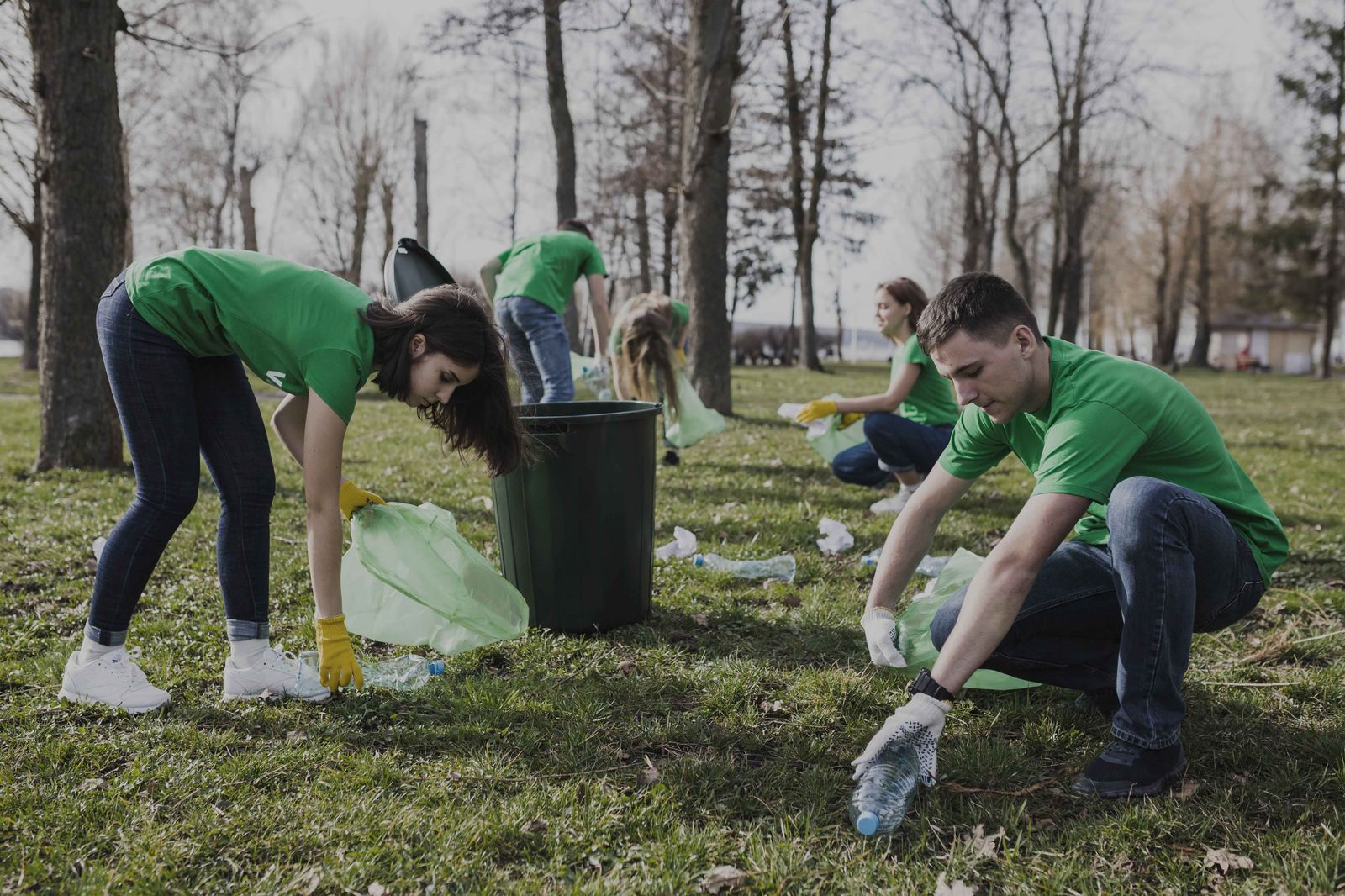
Our collection network is built with people, not just machines. We partner with schools, churches, charities and community organisations across Uganda, supporting them to collect plastic — and paying for every kilogram.
The EU now requires PET beverage bottles to contain at least 25% recycled plastic (2025), rising to 30% by 2030 — and the global rPET market (~$15bn) grows ~8% a year. Manufacturers everywhere need certified, post-consumer recycled material. Uganda’s bottles, recycled properly, are part of that answer.
Post-consumer bottles become new bottles, fibres, sheets and strapping — replacing virgin fossil-based plastic.
Recycled PET typically saves in the range of 1.5–2.5 kg CO₂e per kg versus virgin PET — at our volume, roughly 20,000 tonnes of CO₂e avoided each year.*
Sedex membership and RecyClass certification (in progress) document that our material is genuinely post-consumer and ethically produced.
* Estimate based on published life-cycle ranges for recycled vs. virgin PET; figure to be refined with a facility-specific LCA.
Push Uganda’s PET collection rate toward European levels through more centres, better collector pay and public partnerships.
Open new collection centres beyond the cities — bringing recycling income to rural communities for the first time.
Import scrap bottles from land-locked neighbours — South Sudan and DR Congo — where no processing facilities exist.