
Our Wakiso facility integrates every step: bale breaking, sorting, hot washing, extrusion and lab quality control. Here’s how your material is made.
Bottles arrive baled from our nationwide network of collection centres, schools, charities and independent collectors.
Bales are opened, debris removed, and bottles sorted by colour — manually and with automatic colour-sorting technology.
Bottles are ground, then hot-washed at 85–90 °C with caustic and detergent. Labels, caps, glue and dirt are separated by friction washing, sink-float and rinsing.
Flakes are dried, fines removed, colour-checked and passed through all-metal detection before bagging.
Every lot is lab-tested, issued a certificate of analysis, bagged and containerised for export.
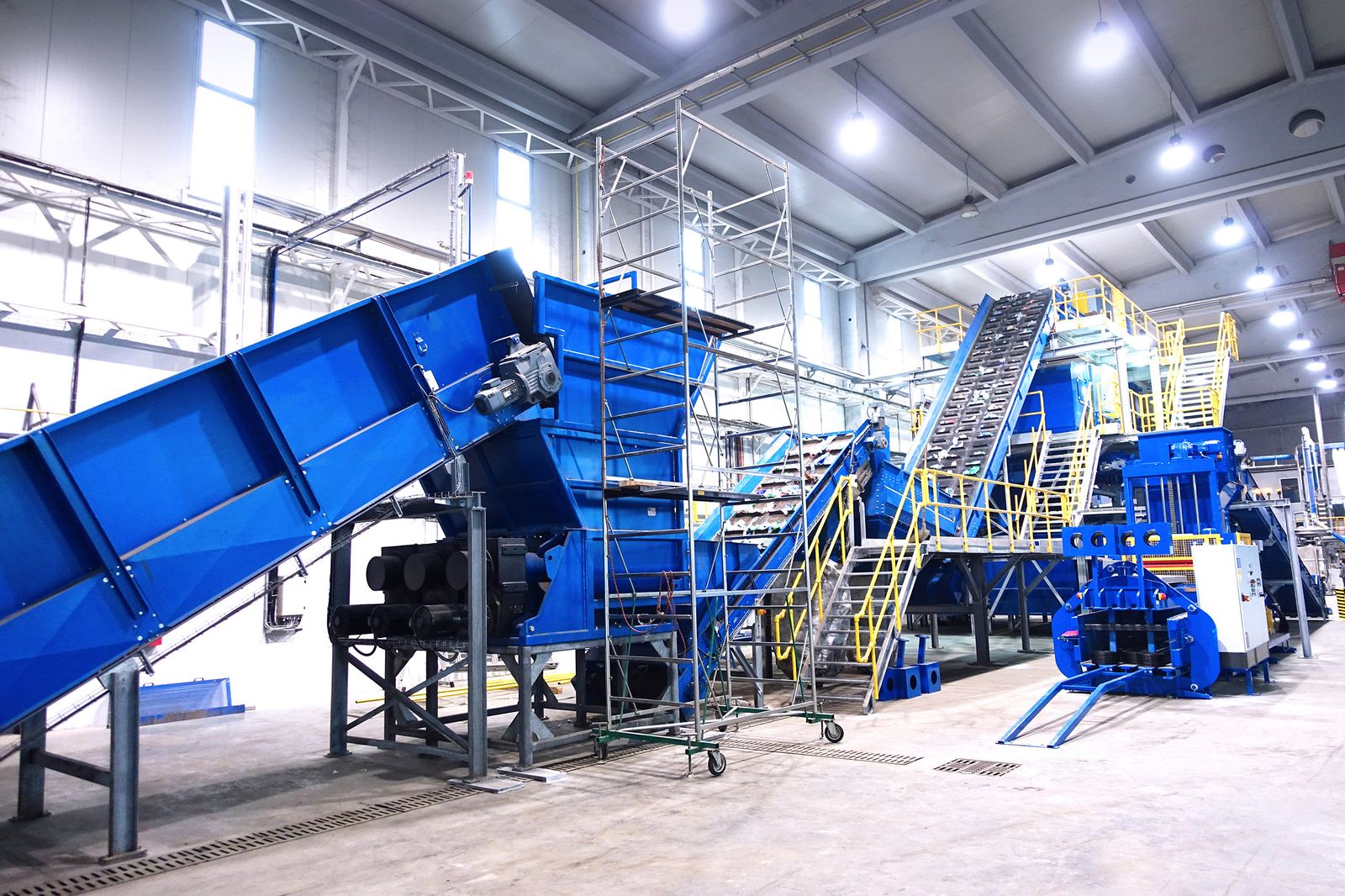
Opens compressed bottle bales and feeds a steady, even stream to the sorting deck — the first quality gate of the plant.
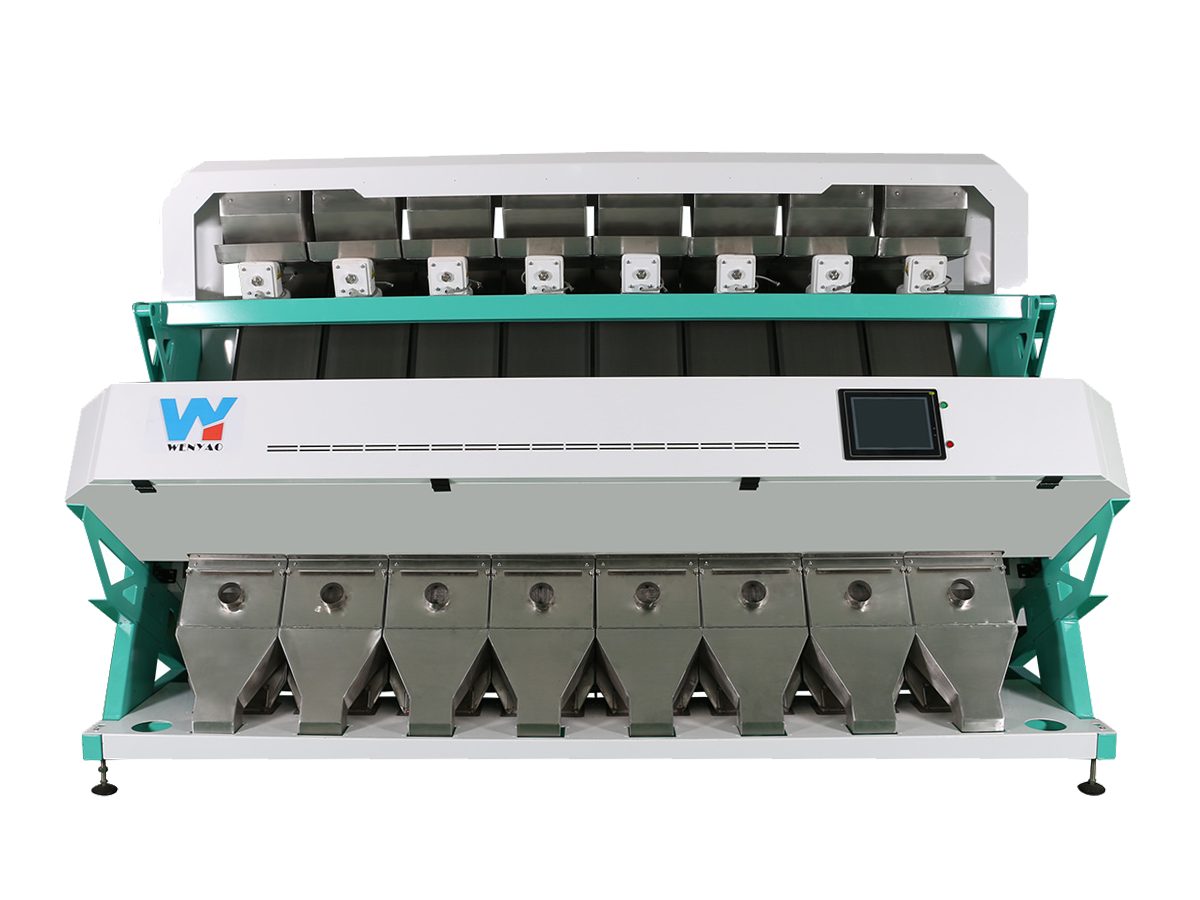
High-speed optical sorting separates clear, blue, green and brown streams — the key to consistent colour grades buyers can rely on.
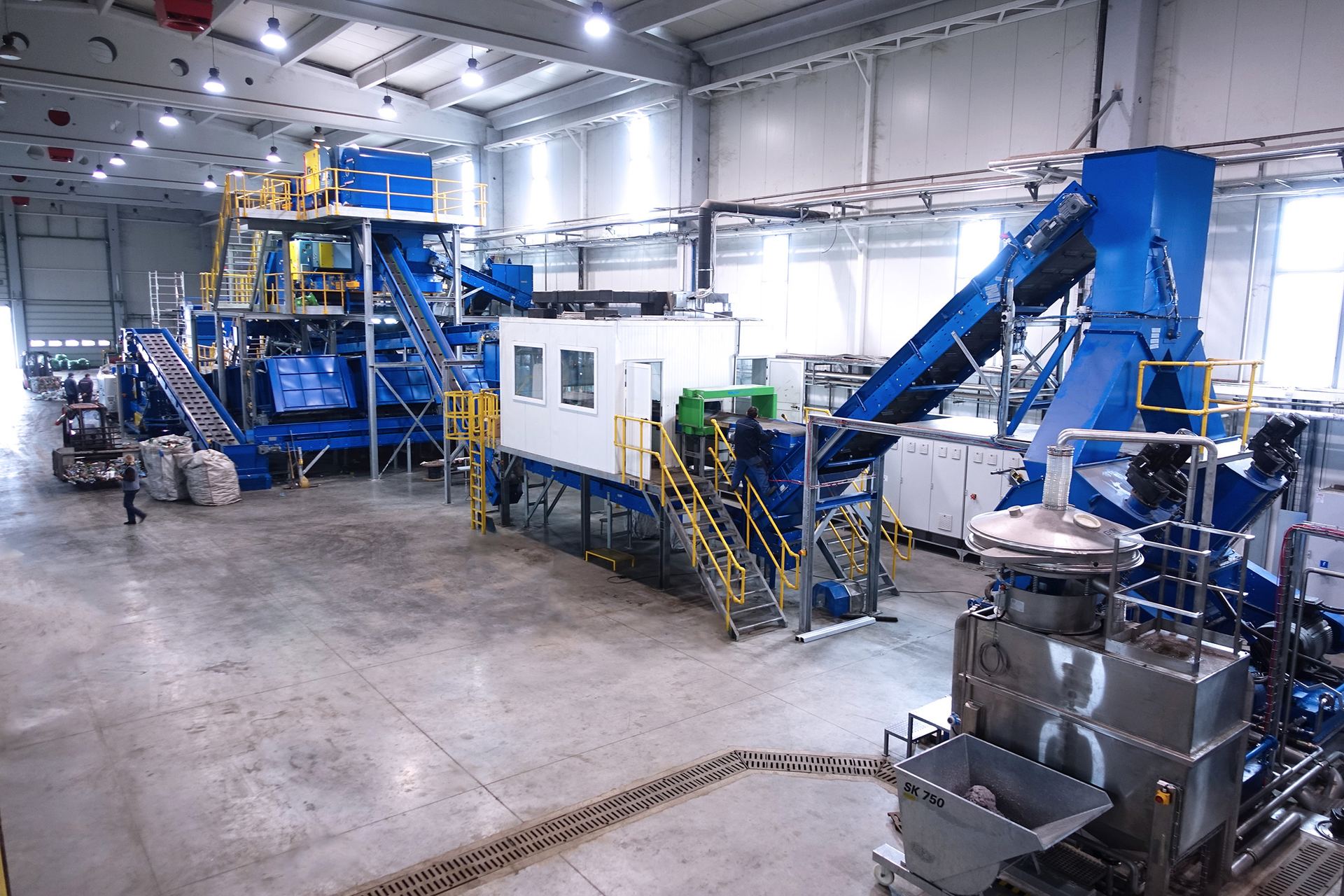
Combined ≈ 1,000 tonnes/month capacity. Grinding, hot caustic wash, friction wash, sink-float separation, rinse and thermal drying.
A dedicated PE-PP washing line processes caps and polyolefin packaging recovered in the PET stream.
Export customers can’t afford surprises. Our in-house lab checks every production lot before it is released: